The Turkish tourism sector is entering 2027 with concerns over rising costs, geopolitical risks, high airfares and weaker demand from key source markets.
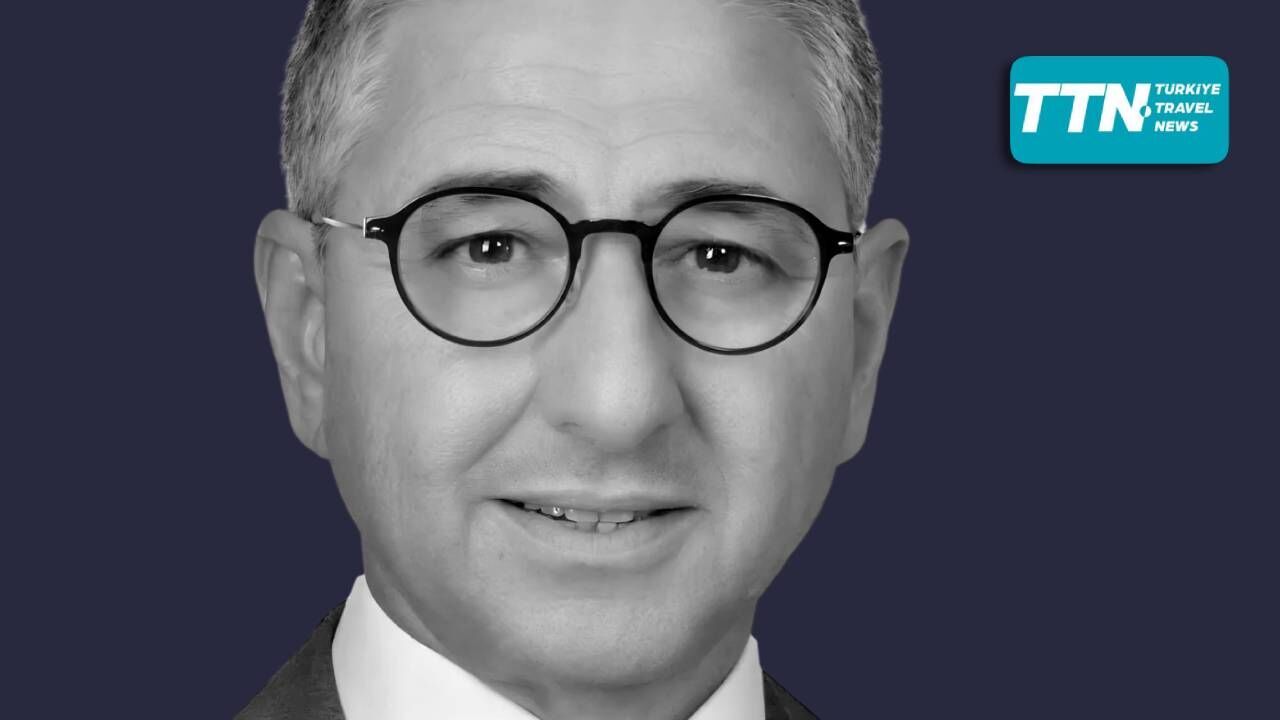
Hakan Saatçıoğlu, President of the Professional Hotel Managers Association (POYD), assessed the current state of tourism, cost pressures, the potential impact of major upcoming events and expectations for 2027.
Saatçıoğlu said wars, the global economic crisis and high air ticket prices were directly affecting the sector. He added that while hotels were achieving their revenue targets, higher expenses were reducing profitability.
“Market losses and global risks are putting pressure on tourism”
Speaking to Turizm Days, Saatçıoğlu highlighted the impact of ongoing wars in Türkiye’s main source markets.
He drew particular attention to Antalya’s losses in the Ukrainian market.
“Tourism in 2026 is not particularly encouraging. The fact that Türkiye’s first and third-largest source markets have been at war for the past three to four years is seriously affecting us. Antalya once welcomed 2 million guests from Ukraine, while today that figure is around 450,000–500,000,” Saatçıoğlu said.
He added that countries around the world were facing a serious economic crisis.
“In an environment of uncertainty, tourists prefer to get in their cars and holiday in neighbouring countries rather than deal with flight delays,” he said.
Will COP31 and the Space Congress meet expectations?
Saatçıoğlu also assessed the potential impact of major international events scheduled to take place in Antalya.
He said events in the city would not be sufficient on their own to compensate for the loss of tourism during the season.
“There are congresses in October. We have the World Space Congress ahead of us, but this will not be enough to make up for our losses. There are still no concrete bookings for COP31. Participants cannot finalise their dates because the programmes have not been confirmed,” he said.
Saatçıoğlu added that Antalya should not expect 80,000 people to stay continuously in the city between 8 and 20 November.
“Occupancy will fluctuate. Therefore, we should not have excessively high expectations,” he said.
“Currency pressure and the inflation gap are increasing costs”
Saatçıoğlu identified rising operating costs as the sector’s biggest challenge and pointed to the imbalance between the exchange rate and inflation.
“We are achieving our revenues, but we cannot keep our expenses under control. Eighty percent of our revenues are in foreign currency. While the exchange rate increases by 15%, inflation in Türkiye is running significantly higher. The gap is working in the opposite direction,” he said.
Hotels are currently facing a loss of around 10–15% compared with last year, according to Saatçıoğlu.
“No one can say they are making a loss. Money is being made, but profitability is being lost. This situation will make it more difficult to get through the coming winter period and carry out the necessary renovation work at hotels,” he said.
“We will be grateful if 2027 is like 2026”
Saatçıoğlu said potential increases in airfares could put package holidays at risk and noted that budgets for the coming year were being prepared more cautiously.

“The impact of the oil crisis on airfares will be felt during the autumn months. Even if our hotel prices are reasonable, package prices will remain high because air tickets are expensive,” he said.
He added that tour operators were avoiding charter risks and turning to scheduled flights, which was pushing prices higher for consumers.
“We do not see 2027 as a particularly bright year. If 2027 turns out like 2026, we will be grateful,” Saatçıoğlu said.