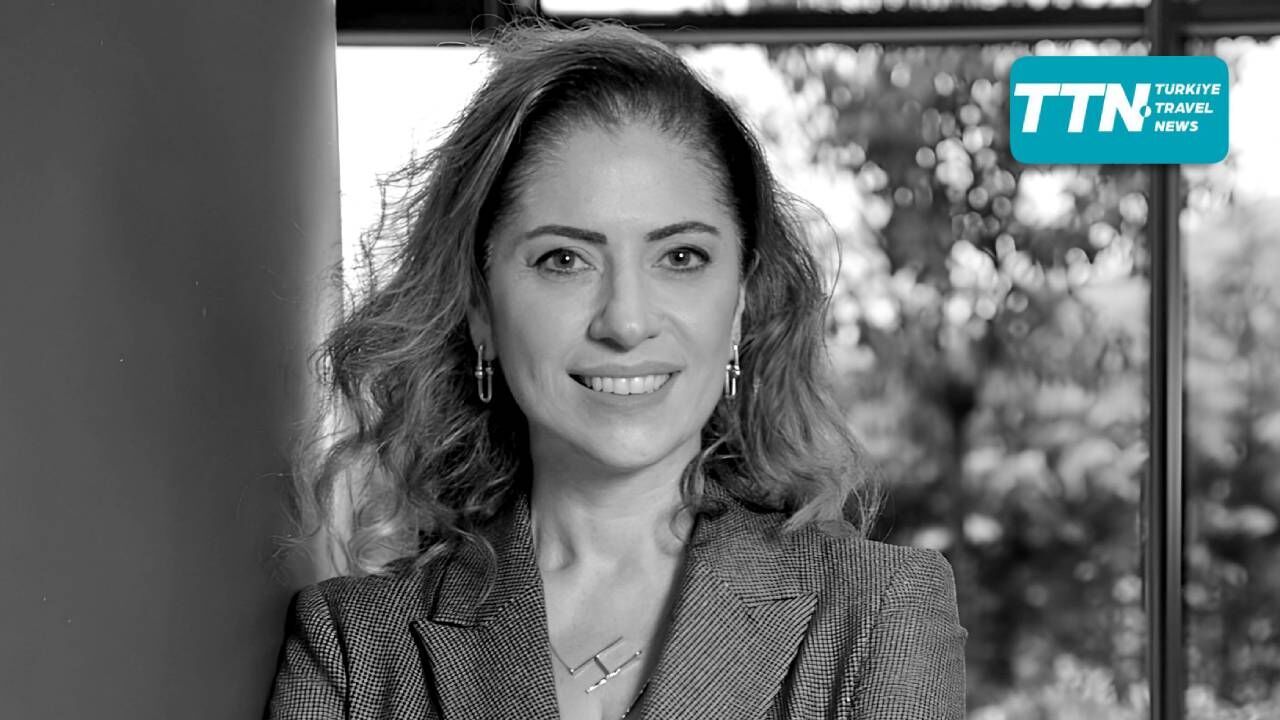
The Turkish tourism sector began to recover in the second half of 2026, with hotel occupancy rates increasing from June and July, according to NG Hotels Chair Hediye Güral Gür.
Speaking to Turizm Ekonomi, Gür evaluated developments in the tourism sector and NG Group’s 2026 performance.
She said Türkiye’s tourism sector faced two major challenges during the year: rising costs that increased prices and reduced the country’s competitive advantage, and the impact of the war that began following US and Israeli attacks on Iran.

Gür said the decline in Türkiye’s tourism performance was largely linked to the regional conflict, while both the sector overall and NG Hotels began to recover during the second half of the year.
Hotel occupancy rates started to rise again
Gür said the Turkish tourism industry entered 2026 with high expectations, but the conflict in the region negatively affected tourism expectations, particularly during the first half of the year.
“The uncertainty over how long these effects would continue also created concern in the sector. However, with June and July, we entered a period when activity started to pick up again and occupancy rates began to increase,” Gür said.
Visitor numbers and occupancy fell, but revenue did not
Gür referred to comments by Minister of Culture and Tourism Mehmet Nuri Ersoy, who highlighted a decline in tourist arrivals and overnight stays during the first half of the year but said there had been no decline in revenue per tourist.
Gür said attracting higher-income tourists and increasing spending per visitor has always been a priority.
“For this, promotion needs to be increased, and it needs to be communicated more effectively that Türkiye does not have a security problem and that its service quality continues at the same level,” she said.
TGA conducts promotional activities for the period
Gür said preparations for the 2027 tourism season would be shaped by data from 2026.
She added that promotional activities were continuing to compensate for the decline in arrivals from countries heavily affected by the war by increasing demand from other markets.
“TGA’s activities specifically designed for this period will have a positive reflection in the data,” Gür said. She identified Russia and the CIS, the Balkans, the UK and Germany as key markets for Türkiye’s resort tourism. Gür also said promotional activities were continuing in long-haul markets important for cultural tourism, including China, South Korea and Japan.
NG hotels sees strong occupancy since june
Gür said NG Group had continued its promotional activities despite the difficult season. “We have been experiencing a season with good occupancy since June,” she said.
At NG Phaselis Bay in Antalya, Gür said occupancy remained strong through the planned closure of the property in November.
She added that the group’s hotels in Sapanca and Afyon, which primarily serve the domestic market, also experienced a decline during the first half of the year due to the impact of the war. “Recovery is continuing there as well,” Gür said.
Exchange rate policy remains a concern for tourism
Gür said Türkiye’s exchange rate policy was affecting not only the tourism industry but also sectors dependent on exports.
“We have to adapt to the exchange rate policy pursued by the government. However, particularly with rising costs, one of the expectations is for the exchange rate to move somewhat higher so that we can provide quality service to our guests coming from abroad,” she said.