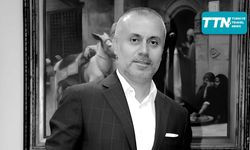
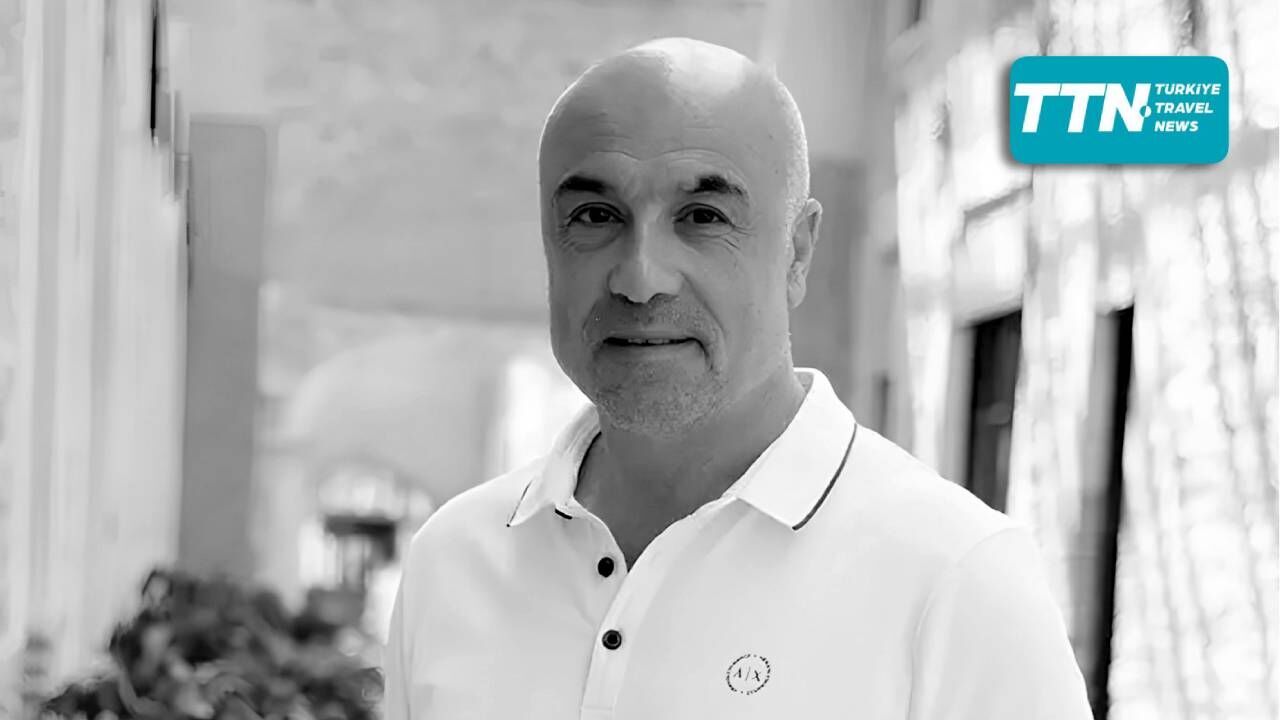
Rixos Hotels Chairman Fettah Tamince discussed tourism, global economic developments, Türkiye’s investment environment and Rixos’ ongoing projects during a television interview.
Tamince said inflationary pressures and high financing costs continue to affect both the Turkish and global economies, making investments more difficult. At the same time, he said travel demand and the need for tourism investment remain strong.
He added that Rixos continues to invest across different geographies and maintains its long-term confidence in Türkiye and Istanbul.
Global economy faces ınflation and ınterest rate pressure
Tamince said inflation continues to put pressure on the investment environment despite continued global economic growth.
He noted that major economies such as the United States and China continue to grow, while Europe is experiencing stagnation. According to Tamince, the slowdown expected in other parts of the world has not materialized.
“Inflation puts serious pressure on economies”
“We are going through a very exciting period because we are growing our business in different geographies. At the same time, inflation has started to put serious pressure on economies,” he said.
Tamince also pointed to pressure on oil prices and said persistent inflation was making changes in monetary policy more difficult. Despite expectations of interest rate cuts, he said interest rates had started to rise again in some markets, creating significant pressure on investments.
“Tourism investment continues despite high costs”
Tamince said the impact of artificial intelligence on tourism differs from its impact on many other sectors.
“While job losses are occurring in many sectors as artificial intelligence advances, the opposite is happening in our sector. More products are being developed and more investments are being made. People want to travel more and see more places,” he said.
He also said the ability to work from more locations through tablets has supported travel demand and tourism investment.
Tamince said Rixos takes a long-term approach to its investments, despite temporary economic difficulties in Türkiye and other markets.
“Stability is Türkiye’s key investment advantage”
According to Tamince, one of Türkiye’s biggest advantages for investors is stability.
He highlighted Türkiye’s regional position, population and economy, saying the country should not be evaluated solely by its geographical size.
“Türkiye is one of the most important realities of its region and the most stable country in the region,” Tamince said.
He also said Türkiye’s economy had reached approximately $1.8 trillion and that the country had recorded economic growth during the first half of the year.
High costs continue to challenge investment
Tamince said inflationary pressure remains a major challenge for Türkiye’s investment environment.
“Inflation affects investors not only in Türkiye but in many countries. The high cost of money makes investments more difficult. The investment environment is challenging,” he said.
He added that inflation was also affecting profit margins and creating costs for businesses and society.
Despite these pressures, Tamince said he maintained his confidence in Türkiye and Istanbul and would continue making long-term investments in accommodation and related sectors.
Rixos’ Tersane Istanbul investment exceeds TRY 100 billion
Tamince said Rixos’ Tersane Istanbul project represents an investment of more than TRY 100 billion.
The project is expected to provide approximately 10,000 direct jobs once completed and has been planned as a 100-year investment in central Istanbul.
“We are currently working very intensively to continue this investment,” Tamince said.
He added that the project includes not only physical investments but also activities and events integrated with the city.
According to Tamince, Tersane Istanbul brings together accommodation, food and beverage, retail, art and culture.
“Cities are now competing through the activities they offer as well,” he said.
New facilities and museums planned at Tersane Istanbul
Tamince said two hotels and several food and beverage and retail facilities are currently operating at Tersane Istanbul.
Around 50% of the project has been completed, he said, adding that a new facility is scheduled to open next year.
Two museums are also planned, alongside additional food and beverage and retail areas.
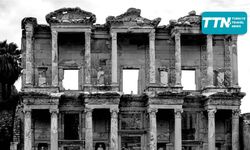
Tamince said Tersane Istanbul is being positioned as a development bringing together art, fashion, cinema, sports, culture, food and beverage, accommodation and shopping.
Tamince calls for a shift toward higher-value tourism
Tamince said Türkiye is among the world’s leading tourism destinations in terms of infrastructure, tourism facilities, visitor numbers and repeat guests.
“We may not be in the top three, but we are in the top four in world tourism,” he said.
However, Tamince said tourism strategies focused primarily on visitor numbers were being reconsidered in some countries.
He said Türkiye should also focus on the economic and social impact of tourism, rather than concentrating solely on the number of visitors.
“When you focus on the number of tourists, you need to properly assess the cost you pay in return. We need to build brands and move from mass tourism toward quality tourism,” Tamince said.
Fewer rooms, higher prices and more revenue
Tamince said tourism investments should focus on revenue rather than the size of a property or the number of rooms.
He called for more properties with fewer rooms, higher prices and closer integration with nature.
“We need to move to a model where we generate the revenue of 500 rooms with 50 rooms,” Tamince said.
He also said tourism properties should incorporate wellness concepts, while destinations should focus on visitors who spend more and contribute more to the local economy.
Istanbul has more tourism potential
Tamince said Istanbul is currently using only a limited portion of its tourism potential. “Istanbul is currently experiencing only 20% or 30% of its tourism potential at most,” he said.
According to Tamince, tourism revenue generated in Istanbul remains below the city’s potential in both mass tourism and higher-income visitor segments. “We need to think about this potential,” he said.
Tamince highlights nature-based tourism in the Black Sea
Tamince described the Black Sea region as one of the most beautiful areas in the world and highlighted the need to develop new tourism products in the region.
“We need to prepare the Black Sea very well for summer tourism with new products,” he said.
He said the region should not be assessed solely in terms of coastal tourism and that tourism development should also include mountains, plateaus and forests.
Tamince noted that highland areas can offer opportunities for visitors seeking cooler environments during warmer periods.
He also emphasized the importance of protecting nature based on past experiences and called for new tourism products to be developed in the Black Sea region.
Tamince also pointed to the tourism potential of Eastern and Southeastern Anatolia.