Egypt has been attracting growing interest from international tourism investors, including Turkish companies, while Gulf-based investors are also committing significant capital to new tourism developments.
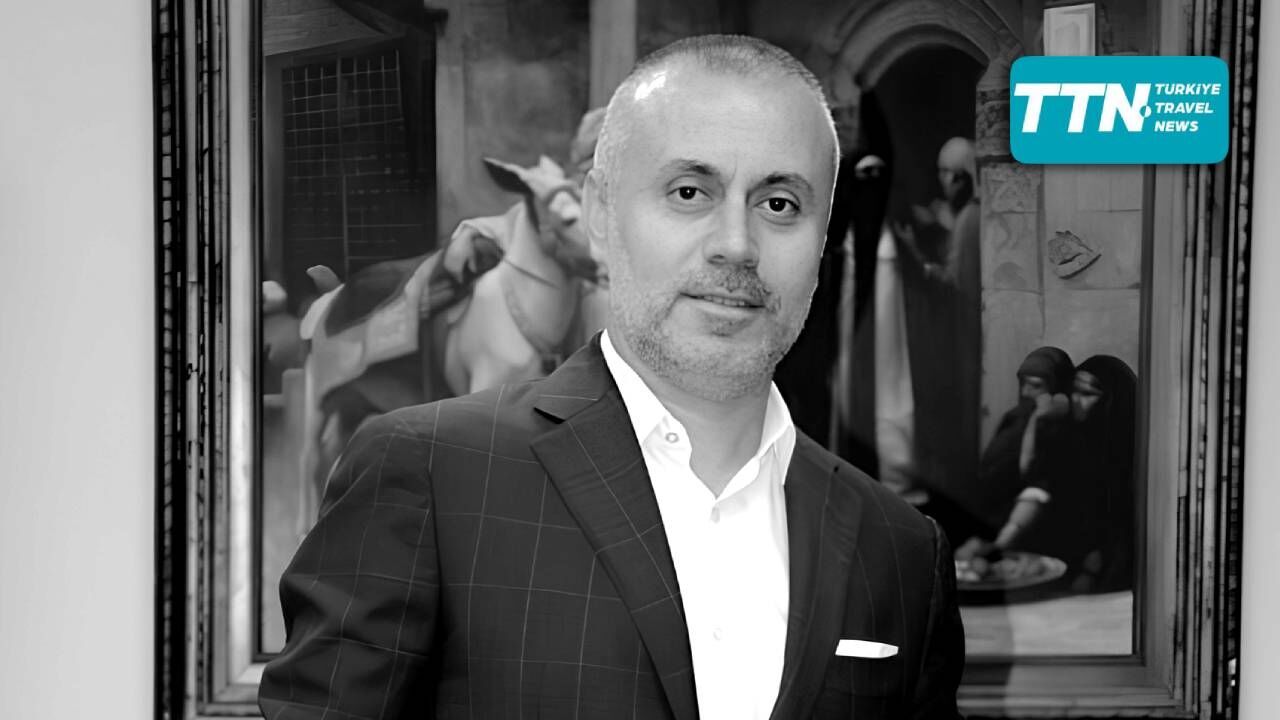
Rixos Hotels Egypt CEO Erkan Yıldırım spoke to Turizm Ekonomi, sister news portal of Türkiye Travel News, about Egypt’s tourism performance, international investment appetite, Rixos’ role in the market and the destinations expected to drive the country’s next phase of growth.
“We saw the potential 15 years ago”
Erkan Yıldırım said Rixos has been operating in Egypt for approximately 15 years and therefore experienced the country’s tourism transformation firsthand.
“Rixos has been in Egypt for around 15 years. We saw the potential that everyone is talking about today years ago and experienced the transformation of this country’s tourism sector firsthand,” he said.
“Egypt has become a resilient, year-round destination”
Yıldırım noted that 2026 has been a challenging year for global tourism due to wars, geopolitical tensions, airspace disruptions and rising energy and aviation fuel costs.
Despite these pressures, Egypt’s tourism sector grew by approximately 4% in the first six months of 2026, according to Yıldırım. He said growth of around 7–10% for the full year could be possible if current conditions normalise.
“Egypt is now demonstrating that it can continue growing despite crises and that it is a resilient destination capable of attracting tourism year-round,” he said.
“We export our brand, know-how and expertise”
Yıldırım said Rixos welcomed growing interest from Turkish tourism investors in Egypt, while stressing that the group’s own model differs from a traditional capital investment.
“We are not exporting capital to Egypt or bringing money to build hotels. We are operators. We bring more than 25 years of Rixos experience, know-how, our brand and human resources to the global market,” he said.
According to Yıldırım, Rixos aims to create value for investors, contribute to destination development and deliver international standards to guests.
Rixos targets 15–16 hotels in Egypt
Rixos currently operates 11 hotels with approximately 7,000 rooms in Egypt. Yıldırım said the group expects to reach 15–16 hotels and 10,000–12,000 rooms within two to three years.
The group is expanding across destinations including Sharm El Sheikh, Hurghada, New Alamein, Alexandria and Cairo.
Yıldırım said the group’s strategy goes beyond increasing room capacity, arguing that Rixos also contributes to the development of destinations through hospitality quality, gastronomy, entertainment, innovation and human resources.
He also called on Turkish tourism companies to export their expertise internationally.
“Türkiye has accumulated 40–50 years of valuable knowledge and experience in tourism. We need to look beyond our borders and export this know-how,” he said.
“Egypt’s tourism story has only just begun”
Yıldırım said he believes Egypt’s tourism development is still at an early stage and that Rixos aims not only to participate in this growth but also to be one of its leading players.
He also pointed to major international investment projects as evidence of growing confidence in Egypt’s long-term tourism potential.
The UAE’s $35 billion investment initiative in Ras El Hekma and Qatar’s approximately $30 billion Alam Al Roum project are among the major developments cited by Yıldırım.
He said these projects extend beyond real estate, incorporating hotels, marinas, entertainment, residential and tourism infrastructure to create new destinations.

“A new tourism destination is emerging across Antalya”
Yıldırım highlighted Egypt’s North Coast as a particularly significant area for future tourism development.
The coastline stretching from New Alamein through Ras El Hekma to Matrouh, known for its white sandy beaches and turquoise waters, is expected to develop into an international tourism destination over the next four to five years.
Approximately 30 hotels are planned in Ras El Hekma, while Alam Al Roum is expected to add more than 3,500 internationally branded hotel rooms, together with marinas and major tourism infrastructure.
“We believe the North Coast could become a strong alternative to Antalya in Mediterranean tourism in the future,” Yıldırım said.
He added that the geographical proximity of the two destinations makes the emergence of Egypt’s North Coast particularly significant for the Turkish tourism market.
“Türkiye and Antalya should take Alamein seriously”
According to Yıldırım, charter flights from Russia to Alamein have already started, with further growth expected next year.
He said the first charter flight to the region was operated by ANEX, adding that Alamein is likely to become an increasingly prominent name in the international tourism market.
“Türkiye and Antalya should take this new destination much more seriously,” Yıldırım said.