
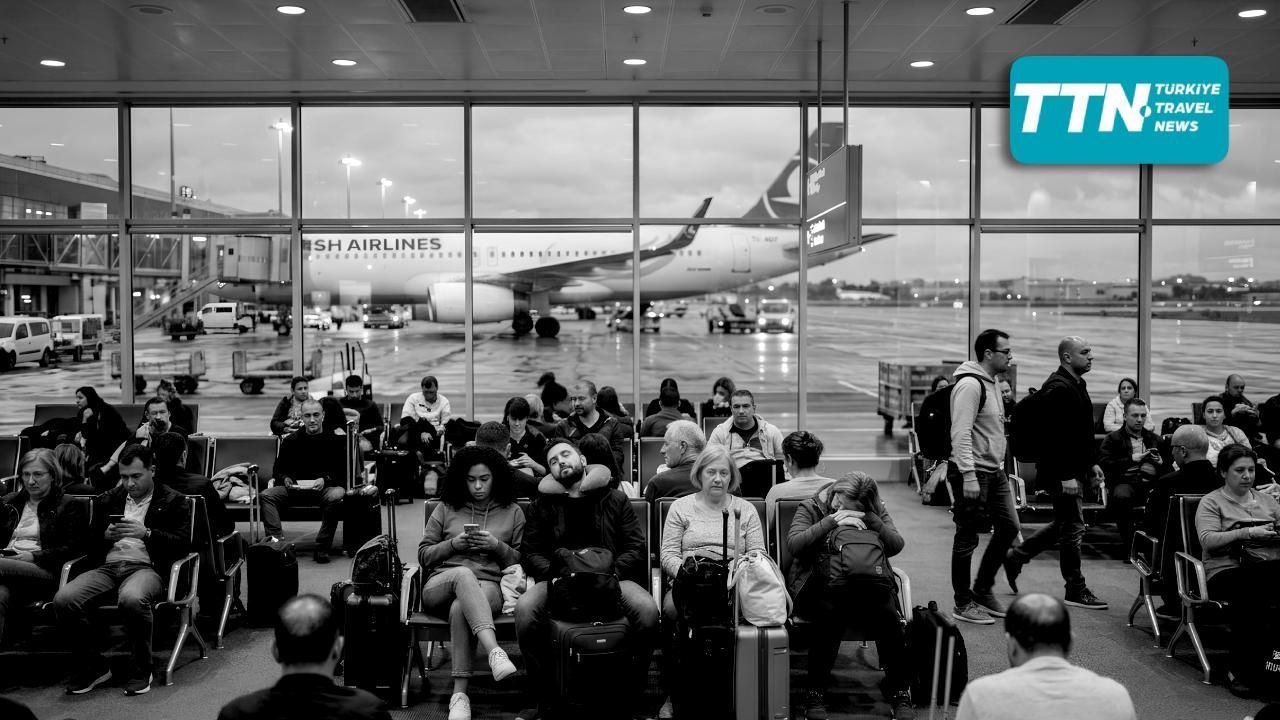
Temporary airport restrictions following Ukrainian drone attacks on Russia are causing recurring disruptions to air traffic. Delays and cancellations at major transport hubs, including Moscow and Sochi, are affecting airlines and passengers, as well as tour operators, transfer companies and hotels.
Disruptions recorded over the past month have included simultaneous restrictions at Moscow’s four airports, dozens of delayed flights at Sochi Airport and operational interruptions affecting airports across Russia.
These developments are particularly relevant to the Russian and Turkish tourism markets. Delays affecting flights from Russia to Türkiye can change tourists’ planned hotel arrival times and airport transfer arrangements. Disruptions to return flights from Türkiye to Russia can require hotels and transfer providers to adjust check-out schedules, room planning and airport transfers.
Major flight disruptions over the past month
20 September: More than 400 flights delayed in Moscow
One of the major incidents occurred on 20 September, when drone attacks caused disruptions across the Moscow region.
According to Kommersant, more than 400 flights were delayed at Moscow airports. Sheremetyevo Airport recorded more than 200 delays and approximately 30 cancellations.
Sochi Airport also experienced significant disruption. According to figures reported by Kommersant as of 16:00 local time, a total of 68 arriving and departing flights had been delayed or cancelled. Some flights were postponed until 21 September.
26–27 September: Sochi Airport closed seven times
Disruptions intensified at Sochi Airport during the final week of September.
According to Sochi1.ru, the airport was temporarily closed seven times on 26 September, and 34 flights were delayed that day. Some aircraft were diverted to alternative airports, while other services could not operate as scheduled.

The report also stated that some flights unable to depart from 25 September were postponed until 27 September, extending the impact of the initial disruption into subsequent days.
2 October: 643 Delays and 35 cancellations across Russia
On 2 October, temporary flight restrictions affected airports in several Russian regions.
According to data compiled by Airports.ru from airport departure and arrival boards, 643 flights were delayed and 35 were cancelled across 24 airports during the morning.
Rosaviatsiya reported that temporary restrictions had been imposed at 21 airports overnight and during the morning. The affected locations included Vnukovo and Domodedovo in Moscow, as well as Sochi, Samara, Kazan and Saratov.
Vnukovo recorded 108 delays and nine cancellations. Disruptions also affected international services to destinations including Istanbul, Antalya, Dubai, Hurghada and Sharm el-Sheikh.
9–10 October: Restrictions at all four Moscow airports
On 9 October, temporary flight restrictions were introduced simultaneously at Moscow’s four airports: Vnukovo, Sheremetyevo, Domodedovo and Zhukovsky.
According to The Moscow Times, citing Flightradar24 data, more than 40% of flights at Vnukovo were delayed, with the average delay reaching 102 minutes. Almost 10% of flights were cancelled.
The report also recorded more than 150 delayed flights overnight. Restrictions continued during the night, raising the possibility of further disruption to the following day’s flight schedule.
On the morning of 10 October, temporary flight suspensions were also reported at all four Moscow airports.
10–11 October: Sochi delays reach 14–15 hours
Further disruption occurred at Sochi Airport overnight on 10 October and continued into 11 October.
According to the operational headquarters for Russia’s Krasnodar region, debris from a drone fell within the airport grounds, causing a fire in one of the administrative buildings. The fire was extinguished, and no injuries were reported.
In a report published on 11 October, Vedomosti stated that at least 32 departures had been delayed by more than two hours, with delays for some flights reaching 14–15 hours. At the time of publication, no departure cancellations had been reported for 11 October.
Interfax reported that more than 13 arriving and departing flights were experiencing delays exceeding four hours that morning.
Flight disruptions affect hotel and transfer operations
Delays and cancellations in Russia can affect the arrival schedules of tourists travelling to Türkiye, disrupting planned hotel check-ins and airport transfers.
Disruptions to return flights from Türkiye can also require changes to hotel check-out arrangements, transfers and passenger waiting schedules. Prolonged delays may create a need for alternative transport or accommodation.
Coordination between tour operators, airlines, transfer companies and hotels is therefore relevant to managing these changes. However, not every flight delay results in an additional overnight stay or late hotel check-out. Arrangements depend on hotel availability and the conditions of individual bookings.
Flight cancellations in russia double in 2026
According to The Moscow Times in a report published on 9 October, flight cancellations in Russia during the first nine months of 2026 doubled compared with the same period in 2025.
The number of flights delayed by more than one hour increased by 70% to 128,000. Flights delayed by more than three hours totalled 51,000, while the number of passengers waiting more than three hours for departure reached 7.6 million.
Russian flight disruptions create operational uncertainty for tourism
Repeated airport restrictions and changes to flight schedules are making it more difficult for tour operators and hotels to plan their operations.
Monitoring flight schedules, updating transfer arrangements and informing passengers promptly are among the operational measures relevant to managing disruption.
No definitive figures are available on the number of hotels or tourists affected in Türkiye, or the additional costs generated by these incidents. The reported disruptions nevertheless document interruptions to flight schedules serving the Russian market, including routes connecting Russia with Türkiye.