Thousands of guests, a deal that never came, and a car park.
You know the card in the hotel bathroom. It asks you to use your towel one more day. For the water, for the energy, for the planet.
Hold on to that card. We’re going to Antalya.
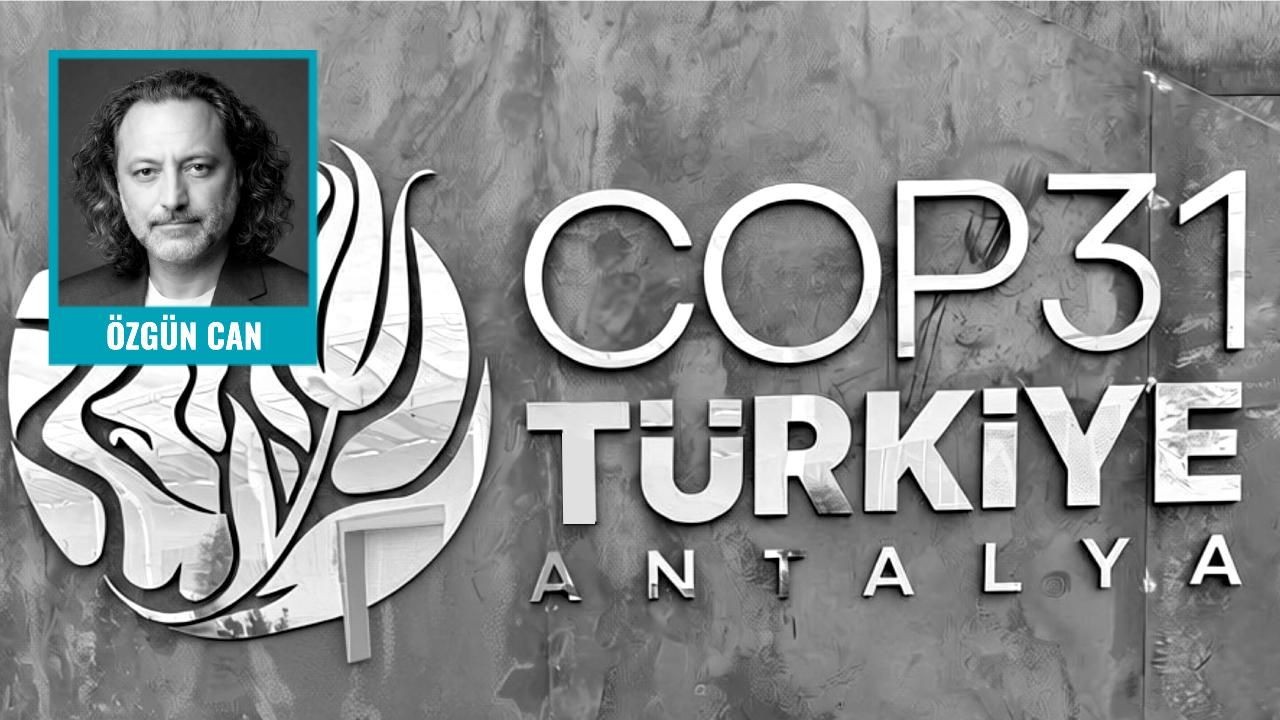
For one of the world’s biggest climate meetings, the fields across from the summit venue were paved over. A car park was needed. The land registry says “field”. The satellite image shows asphalt. Three months in between. An agricultural engineer in Antalya said all there was to say in one sentence: “You cannot protect the climate without protecting the soil.”
While we were asking guests to reuse their towels, farmland was being paved over for the cars of those who came to discuss the climate.
I would have liked to see the two side by side, on the same page of the same sustainability report.
Credit where it’s due. The tourism side of the job was no small thing. A single tour operator made 257 hotels available for booking, took reservations from 140 countries, and planned arrivals and transfers for four thousand people. A hundred staff in the field, a hundred in the office.
Anyone who sniffs at those numbers has never been inside an operation. I know the flight that changes its time, the rooming list rewritten at midnight, the breakfast room that opens at six.

I know one more thing. A good operation takes pride in hiding the labour behind it. The night-shift room attendant, the driver at the airport waiting for the fourth flight: where are they in the press release’s “team of 200”? Some of the students sitting in front of me in class will be working those shifts in a few years.
Around the same time, a travel group described how it had cut waste at its hotels by a quarter in a year. It listed its solar investments, its electric vehicles. All worthwhile. But one thing was missing from the story: the plane that brought the guest to Antalya.
I’m not saying it isn’t measured. I don’t know. What I do know is that the story considered worth telling stopped at the hotel door. Sustainability language has a favourite word: “scope”. What gets measured, and what stays outside, is decided at the very start.
You can’t call it a lie. It is an honesty that draws its own boundaries.
The summit couldn’t step outside its boundaries either. The draft Antalya Pact was not adopted. There were decisions on adaptation and a just transition, but the knot of fossil fuels stayed tied. Some 130 countries wanted moving away from fossil fuels written plainly into the text. Saudi Arabia didn’t. The final draft kept a reference to the decision taken in Dubai. That was it.
The first draft also called on developed countries to lift certain climate-justified trade restrictions. The second draft didn’t.
The table was discussing the future of the planet. And who gets to sell what in that future.
Tourism is no stranger to this kind of bargaining. The most honest thing I heard from the industry during the summit came from a hotel group. Cutting waste in all-inclusive hotels can’t be left to the guests, they said. But if Türkiye trims its product range alone, it will lose competitiveness against destinations that don’t take the same step.
We expect businesses to take on the cost to the environment voluntarily. We don’t stop pitting the same businesses against their neighbours on price and occupancy. And when that doesn’t work, we entrust sustainability to the guest’s towel.
The summit’s shop window was no different. The official website lists thirty-three “climate supporters”. Two of them are also party to the Yeniköy and Kemerköy coal plants and the mine at Akbelen.
Backing a summit, on its own, neither clears nor stains anyone’s environmental record. It only raises a question: is it emissions that go down, or visibility that goes up? The answer doesn’t fit in a logo.
If we booked the income and kept the expenses off the books, we would all be running very profitable businesses.
One of those off-the-books items is in the Himalayas.
On 26 August, a mass of rock and ice broke away on the Nepal–Tibet border and became a flood that swept down the valleys. The count in early October was 1,455 dead and 5,285 missing. Among them were tourists who had come to trek in Langtang. Reconstruction will need 4.7 billion dollars.
It is known that warming, retreating glaciers and thawing ground make collapses like this more likely. No one says climate was the only cause. No one disputes the destruction either.
Two months later, Nepal and Bhutan asked for warming in the mountains to become a separate negotiating item. It didn’t happen. Technical talks were agreed instead. A fuller work programme had made it into the draft pact, and fell with the draft.
Climate finance was an agenda item in Antalya. Rasuwa had already been sent the bill.
The revenue is posted to one account, the cost to another.
We hoteliers love to measure. Occupancy, revenue per room, channel commission, grams of breakfast per head. I teach my students how to calculate room revenue. I don’t know which line the field under the asphalt goes on, either.
The delegates went home. The halls emptied. The car park in Aksu is still there.
The summit’s night audit is done. The account is still open.