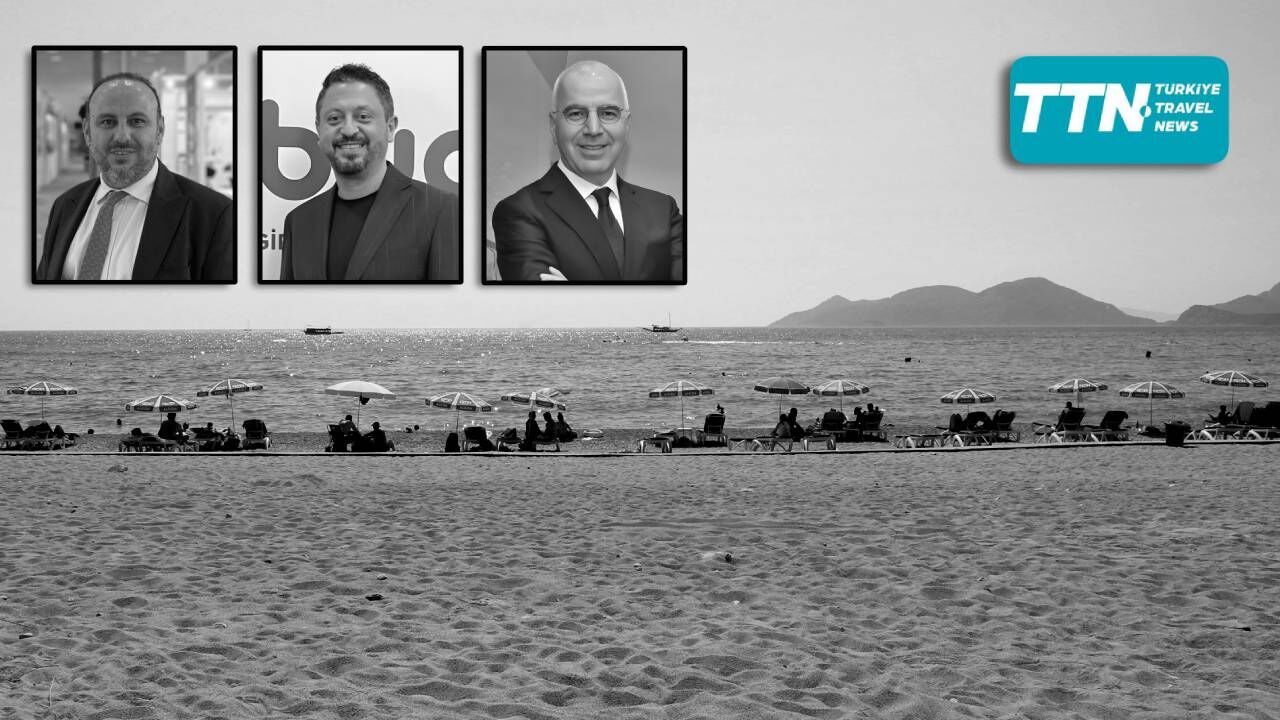
The geopolitical tension in the Middle East and the Gulf, triggered by attacks on Iran by the United States and Israel, is raising questions about its impact on Türkiye’s domestic tourism market, including pricing and capacity dynamics.
Senior executives from three of Türkiye’s leading travel agencies—Jolly, TatilBudur, and Setur—shared insights with Turizm Ekonomi News Editor Savaş Daş on how the crisis is influencing domestic tourism. While they report no decline in prices, bu expect possibility of extended early booking campaigns. Agencies also anticipate another tight last-minute season, noting that although significant price fluctuations are not expected, the trajectory of the crisis could alter market conditions.
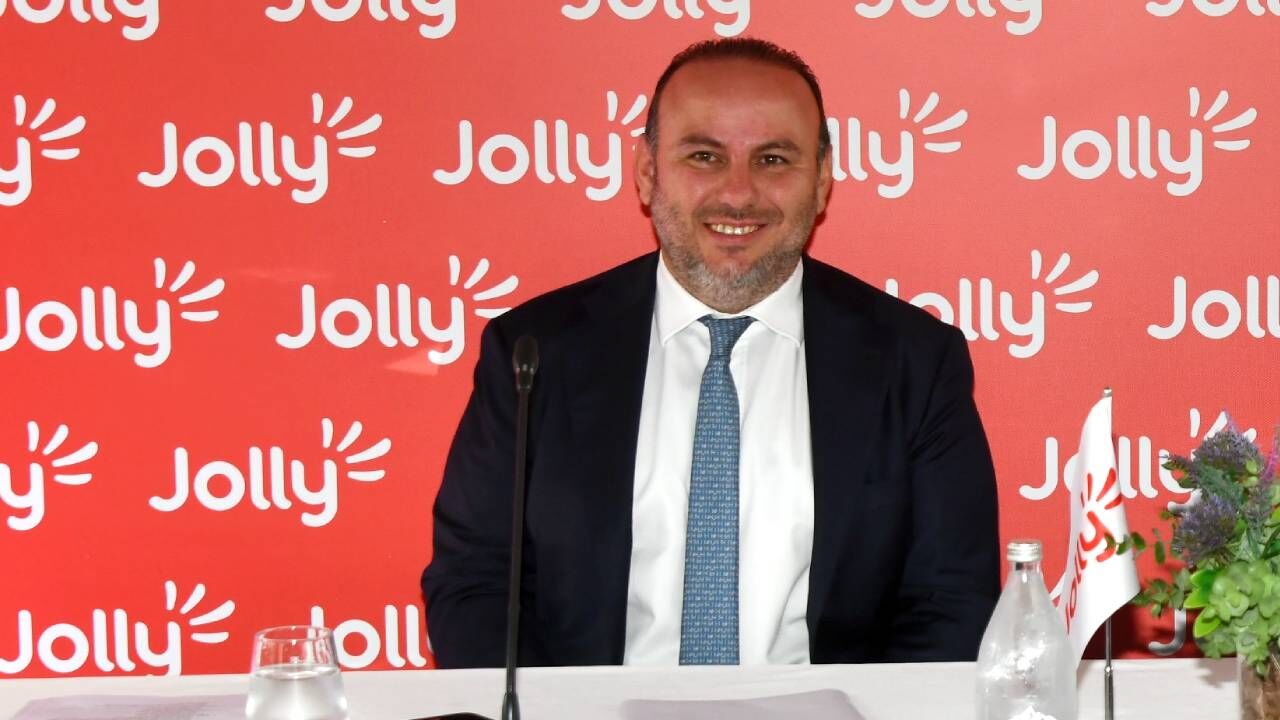
Jolly CEO Mert Vardar: “Sales momentum not driven by ıran crisis”
Jolly CEO Mert Vardar stated that there is no negative outlook for the domestic market this season and emphasized that the current sales performance is not linked to the conflict in Iran. “There is an increase from March to April, and we expect a similar rise from April to May,” said Vardar.
“No price drops, early booking discounts continue”
Vardar noted that domestic prices have not declined and standard early booking discounts remain in place. He added that the contraction in Gulf countries, Iran, and European markets has not impacted domestic pricing but has eased capacity constraints.
“There has been no reduction in hotel prices for the domestic market, but there is increased focus on it. We now have better availability in the hotels we want,” he said.
“High season prices will not fall below early booking levels”
Vardar indicated that pricing could shift if negative conditions in international markets persist into the high season. However, he stressed that current early booking prices represent a floor.
“Hotels did not implement the sharp inflation-driven increases seen in 2023 and 2024. Pricing has been more moderate. Prices are unlikely to fall further, but early booking campaigns may continue,” he said.
Growth outlook and outbound trends
Vardar reported that Jolly achieved 30% growth in 2025 compared to the previous year and expects similar growth in 2026. He also highlighted expectations for stronger last-minute sales in the domestic market.
On outbound travel, Vardar noted:
• Spain is the fastest-growing destination this year
• Dubai sales have stalled, with only limited forward bookings
• Egypt demand remains stable with minimal cancellations
He added that Gulf-based long-haul connections were revised due to the conflict but have since stabilized through adjustments with Turkish Airlines and Far East carriers. Europe is seeing strong demand, with Spain emerging as the standout destination.

TatilBudur Deputy GM Mustafa Kemal Çubuk: “Hotels may extend early booking offers”
Mustafa Kemal Çubuk, Deputy General Manager responsible for Sales and Operations at TatilBudur, stated that the geopolitical crisis has not led to significant price reductions in the domestic hotel market.
He emphasized that hotels have maintained January–February early booking price levels and may extend these conditions further.
“We observe that hotels are continuing low-price sales policies by extending early booking conditions in line with the crisis,” he said.
Increased domestic market focus
Çubuk pointed out that hotels are increasingly focusing on the domestic market due to limited alternatives.
“At present, the domestic market appears to be the only high-volume source for the sector,” he said.
“Demand ıs highly volatile”
Çubuk described domestic holiday demand as highly fluctuating, with peaks during holiday periods such as Eid.
• Antalya leads regional demand
• Muğla destinations (Bodrum, Fethiye, Marmaris) follow
• Mid-segment, budget-friendly properties are in highest demand
Strong growth expectations
TatilBudur entered 2026 with ambitious growth targets and has been tracking in line with expectations since February.
“We typically outperform the market during crisis periods, and we expect a similar trend this year. Despite our strength in last-minute sales, we are also experiencing a strong early booking period,” Çubuk said.
He added that even if the crisis ends quickly, it is unlikely to significantly reduce domestic demand or create a major demand surge, noting that tour operators and airlines’ positioning limits such a scenario.
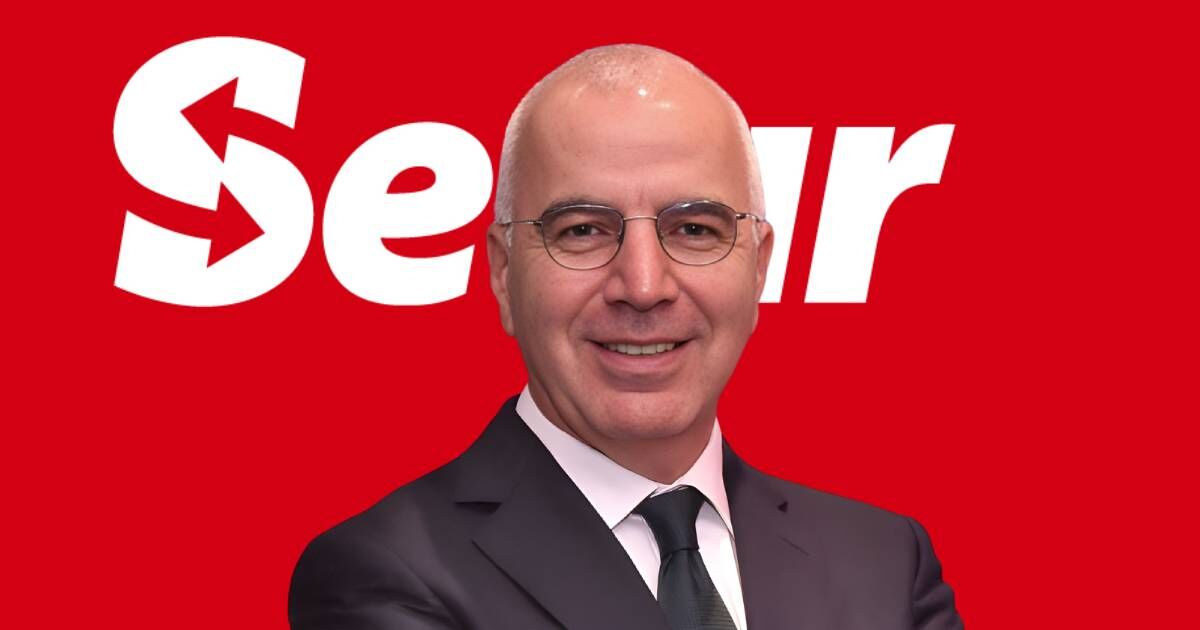
Setur Deputy GM Koray Küçükyılmaz: “Wait-and-see behavior, but opportunity seekers active”
Setur Deputy General Manager Koray Küçükyılmaz stated that expectations for the domestic market in 2026 are higher compared to previous years.
“Price increases this year are around 30%, aligned with inflation, and we expected better acceptance from the market. Bookings were strong from October, but slowed in January and February. With the war, many consumers adopted a wait-and-see approach, although some are still pursuing opportunities,” he said.
Rising ınterest in outbound travel
Küçükyılmaz noted increased interest in outbound travel due to expectations of currency fluctuations, adding that international tours remain relatively affordable under current exchange rate policies.
“March pessimism is easing”
He stated that hotels are not currently inclined to reduce prices and that demand is progressing at a steady pace.
“The pessimistic sentiment seen in March is gradually dissipating. We are seeing momentum in April, but 2026 will largely be a last-minute year,” he said.
He explained that consumers observed last year that last-minute bookings could still secure early booking prices, reducing the perceived risk of waiting. Additionally, high interest rates incentivize consumers to delay purchases and earn financial returns.

Demand outlook and seasonal expectations
Küçükyılmaz expects stronger demand in May and during the Eid al-Adha holiday due to an extended vacation period.
He noted that destination search trends are not showing year-on-year growth, indicating moderate interest in domestic holidays despite intensive marketing campaigns.
Capacity and risk factors
He stated that no capacity issues are expected in the domestic market, noting that even last year only a few hotels reached full capacity.
However, he warned that prolonged conflict could negatively impact inbound tourism, particularly from Western Europe, while rising costs—especially in air transport—could increase package tour prices.
“In a scenario of heightened security risks and rising costs, consumers may choose not to travel. Some hotels may not open, while others may engage in price competition, which could boost domestic demand and last-minute sales,” he said.
Market uncertainty persists
Küçükyılmaz concluded that even in the event of a resolution between the US and Iran, April and May demand losses are already locked in.
“We are in a period of uncertainty where decisions are postponed week by week and stakeholders struggle to take clear positions,” he said.